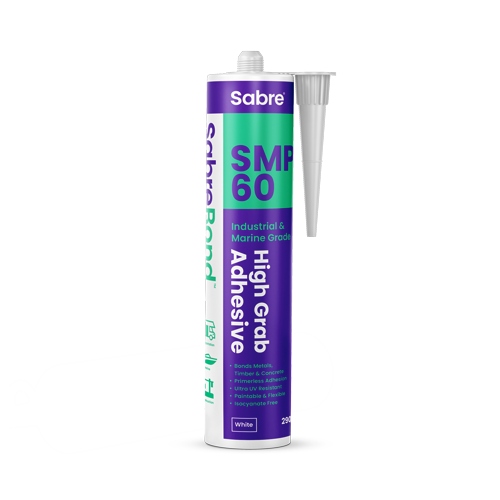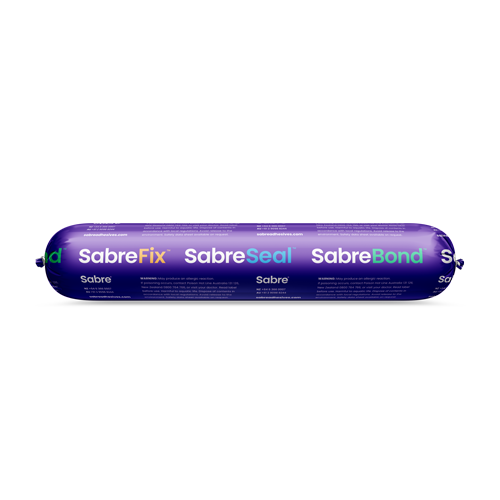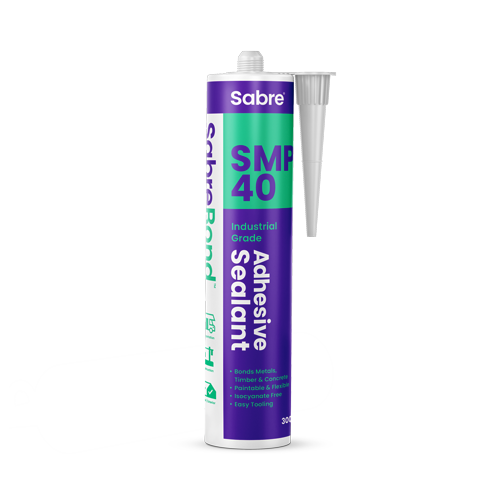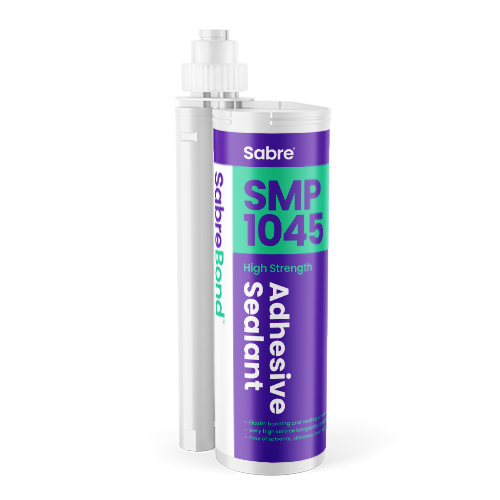
The construction and engineering industries are constantly evolving, demanding better materials that offer durability, flexibility, and sustainability. One of the most significant advancements in recent years has been the widespread adoption of silane-modified polymer (SMP) sealants and adhesives, and since 2011 Sabre have offered these technically advanced products in our SabreBond range.
So, what makes SMP technology stand out?
SMP sealants and adhesives combine the best qualities of traditional polyurethane and silicone products, while eliminating many of their drawbacks. Unlike solvent-based formulations, SMP technology also provides a solvent-free, isocyanate-free solution that is safer for both users and the environment.
Key advantages of SMP sealants and adhesives
Superior, primerless adhesion to multiple substrates
Unlike conventional sealants, SMP formulations adhere strongly to a wide range of substrates, including concrete, glass, metals, and plastics, offering versatility across multiple tasks. Offering fast cure times and no need for primers, project timelines areaccelerated.
Exceptional weather and UV resistance
Another major advantage of SMP sealants is their ability to withstand harsh environmental conditions. They exhibit excellent UV resistance, preventing degradation or yellowing over prolonged exposure to UV rays. In contrast, traditional polyurethane sealants can break down under UV rays, leading to premature failure.
High elasticity and movement capability
Unlike rigid sealants, SMP-based products offer remarkable flexibility. They can withstand significant joint movement and thermal expansion, reducing the risk of cracking and failure over time. This makes them particularly advantageous for applications in high-rise buildings, bridges, and other structures exposed to dynamic stress.
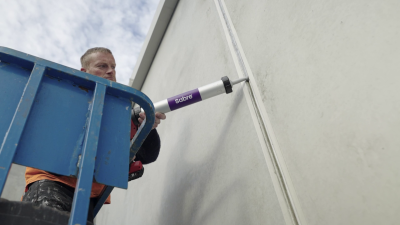
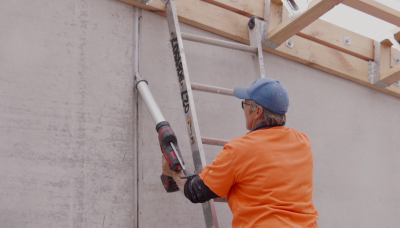
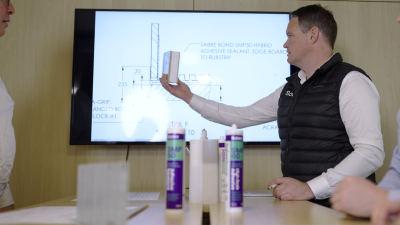
Applying SabreBond SMP60 to the stiffening bars for a high-rise facade
Architectural Facades co
Low VOC and solvent-free formulation
Sustainability is a growing concern in the construction industry, and SMP sealants align with the movement toward greener building solutions. Unlike polyurethane sealants, which often contain isocyanates and other hazardous chemicals, SMP sealants are free from solvents, PVC, and silicones. This results in lower VOC (volatile organic compound) emissions, making them safer for both installers and occupants.
Furthermore, SMP sealants do not release harmful byproducts over time, ensuring healthier indoor air quality in residential, commercial, and industrial spaces. Their environmentally friendly formulation makes them a preferred choice for projects aiming for green, sustainable or Living Building® certification such as the Tennent Brown Building.
Paintability and aesthetic integration
Unlike silicone-based sealants, which often repel paint, SMP formulations can be painted over seamlessly, allowing for a uniform and visually appealing finish.
Applications in modern architecture & engineering
Façade sealing & curtain walls
SMP sealants provide durable and flexible sealing solutions that ensure air and water tightness in modern glass and metal facades.
Structural bonding
High-strength SMP adhesives replace mechanical fasteners, reducing thermal bridging and improving energy efficiency in buildings.
Expansion joints & movement joints
Their elasticity makes them ideal for applications where materials expand and contract due to temperature variations or building movement.
Conclusion
The growing adoption of high-performance SMP sealants and adhesives among architects and engineers is a testament to their superior qualities. Their unmatched adhesion, flexibility, durability, and environmental benefits make them the optimal choice for modern construction projects. As the industry continues to embrace sustainable and high-performance building materials, SMP technology is leading the way.